It is not that vets cannot cope. It is that they have been coping for too long.
For years, many veterinary professionals have learned to keep going even when they are exhausted.
Finish the consult. Take the next case. Answer the next call. Drive to the next farm. Explain another difficult decision. Stay kind, stay calm, stay professional — even when there is very little energy left inside.
In veterinary medicine, caring is so deeply connected to professional identity that it can be hard to notice when care starts to hurt.
Burnout rarely arrives all at once. It builds quietly. In missed breaks. In urgent cases at the end of impossible days. In tense conversations. In the feeling of never quite catching up. In the guilt of resting. In the thought that, if you are struggling, maybe you are simply not strong enough.
But that is not the truth.
Preliminary results from the latest FVE VetSurvey reported more than 11,000 responses from 39 countries, with 22% of European veterinarians saying they had needed at least a two-week break because of burnout in the previous three years.
That figure does not describe a weak profession.
It describes a profession carrying too much.
Veterinary work is everywhere, even when society does not see it
Society needs veterinarians more than it often remembers.
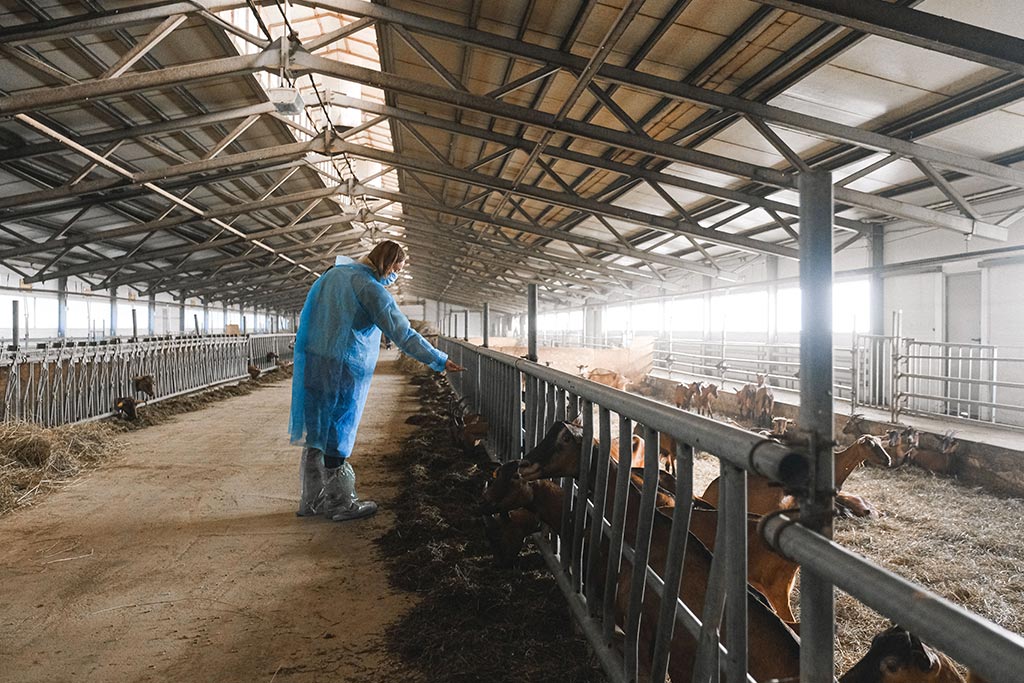
They are there when a family needs to understand what is happening to their dog or cat. They are there when a difficult decision has to be made for an animal who has shared half a lifetime with someone. They are there on farms, helping protect the health and welfare of food-producing animals. They are there in public health, food safety, zoonosis prevention, responsible medicine use, emergencies and quiet moments no one else sees.
So much of veterinary work happens away from the spotlight.
Behind a closed consultation-room door. During an after-hours call. On a farm miles from home. In a careful conversation with a worried owner. In a decision made quickly, responsibly and with real consequences for a loving family or for an entire primary sector business.
Veterinary medicine is not only a healthcare profession. It is a network of care connecting animals, people, families, farms, environment, communities and society.
And yet, the people holding that network together often feel they must do it without showing too much tiredness.
Burnout is not solved by asking vets to be more resilient
Self-care matters. Sleep matters. Food, movement, boundaries, asking for help and finding space to disconnect all matter.
But we also need to ask a bigger question:
What happens when the problem is not only someone’s ability to cope, but the amount of pressure they are being asked to carry?
An exhausted vet does not only need breathing techniques. They may need a more human schedule.
A young vet does not only need more confidence. They may need mentoring, time and permission to learn.
A farm vet does not only need to “stay strong”. They may need to feel less alone.
A stretched team does not only need motivation. They may need real support, shared boundaries and an organisation that listens.
Resilience can help someone stay upright. But it should never become an excuse for leaving the pressure unchanged.
Caring for veterinary wellbeing is also caring for animals
Sometimes professional wellbeing is treated like an extra. Something nice to discuss when there is time.
But it is not an extra.
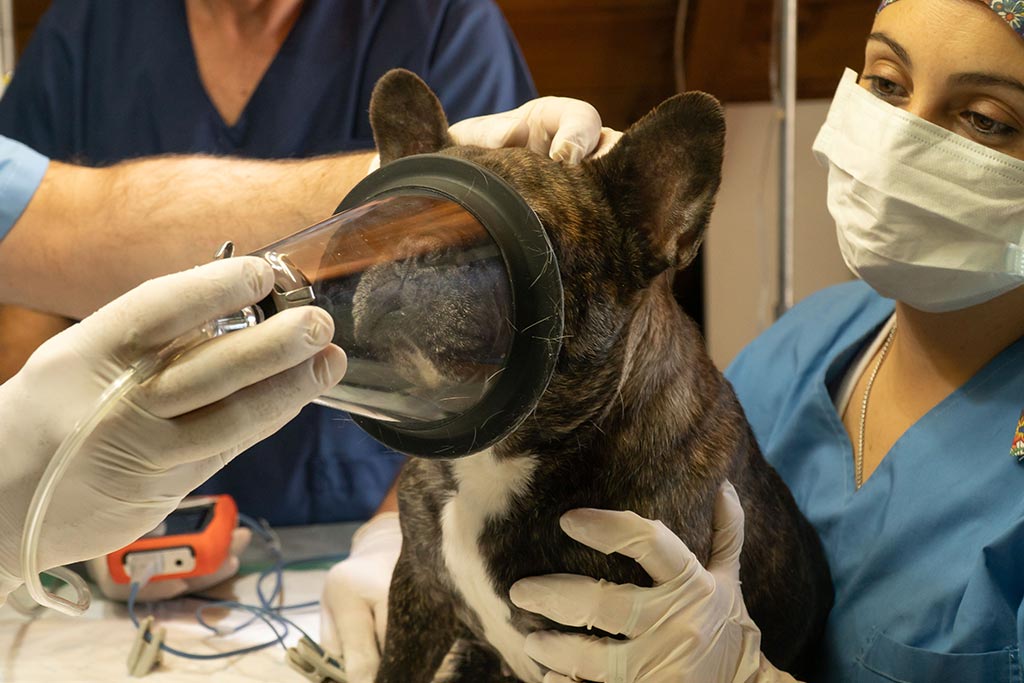
A tired, pressured or emotionally overwhelmed veterinary team cannot care in the same way. They may keep working. They may keep solving problems, smiling, explaining and making decisions. But the internal cost grows.
And that cost affects everyone: professionals, animals, owners, farmers, clinics, farms and the future of the profession.
Caring for those who care is not a soft idea. It is necessary.
If society values animal health, it must also learn to look directly at the health of the people who make it possible.
The conversation must leave the silence
For too long, many veterinary professionals have carried exhaustion privately. As if admitting it meant failing. As if speaking about pressure, fear, frustration or fatigue could somehow question their vocation.
But speaking does not weaken the profession. It makes it more honest.
Change begins when someone says: “This should not be normal.”
When a team asks what it has accepted out of habit.
When a manager listens before explaining.
When a practice reviews its red lines for sustainability.
When a young vet discovers they are not the only one feeling this way.
When a farm vet can speak about loneliness and still feel enough.
Veterinary work needs to be at the centre of the social conversation. Not only during emergencies, public health crises or social media debates about pet health and food production costs. Also, when we talk about wellbeing, sustainability, mental health and the future of work. The system can change.

A question to begin with
You do not need to have all the answers to start an important conversation.
Start with one single question in your team:
What pressure have we accepted as “normal” even though it is hurting us?
Maybe the answer is the schedule. Or short staffed emergencies. Or messages outside working hours. Or no real breaks. Or the fear of saying no and lose a client. Or the feeling that no one really sees what this work takes.
Whatever the answer is, putting it into words is already a first step.
Share this article with your team and explore HappyVetProject’s free courses and resources to keep talking about wellbeing, communication and care within the veterinary profession.
FAQs
Yes. Burnout is a recognised concern in the veterinary profession. Preliminary FVE VetSurvey results reported that 22% of European veterinarians had needed at least a two-week break because of burnout in the previous three years.
No. Workload matters, but burnout can also be linked to emotional pressure, lack of support, conflict with owners or clients, staff shortages, moral stress and feeling that you have little control over daily work.
Yes. Farm animal vets may face long travel times, emergency calls, physical demands, economic pressure, farmer expectations and professional isolation.
Self-care can help, but it is not enough on its own. Burnout also needs changes in teams, workplaces and the way society understands veterinary work.
Start with an honest conversation. Ask what pressure has become normal, and what small change could make daily work more sustainable.